TL;DR: DeepSeek released DeepSpec on June 26, 2026, an MIT-licensed full-stack codebase for training and evaluating speculative-decoding draft models, not a new base model[1]. The flagship DSpark method claims 60% to 85% faster per-user generation for DeepSeek-V4-Flash and 57% to 78% for V4-Pro at matched throughput, while the default Qwen3-4B data pipeline warns of a roughly 38 TB target cache[3][4]. The real story isn't a benchmark bump. It is DeepSeek turning inference economics into open-source infrastructure.
The cheapest token in AI is the one the giant model never has to generate sequentially.
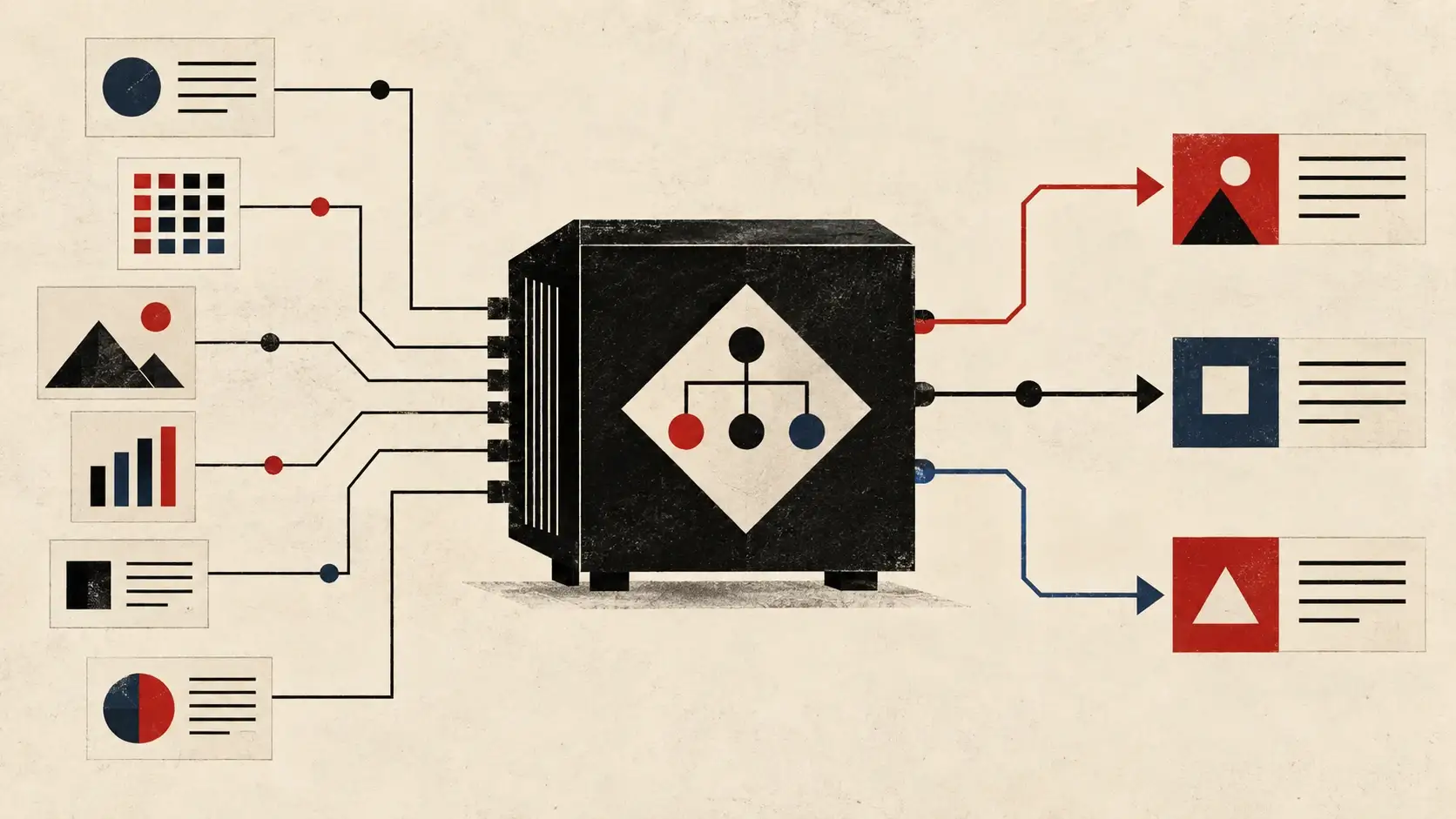
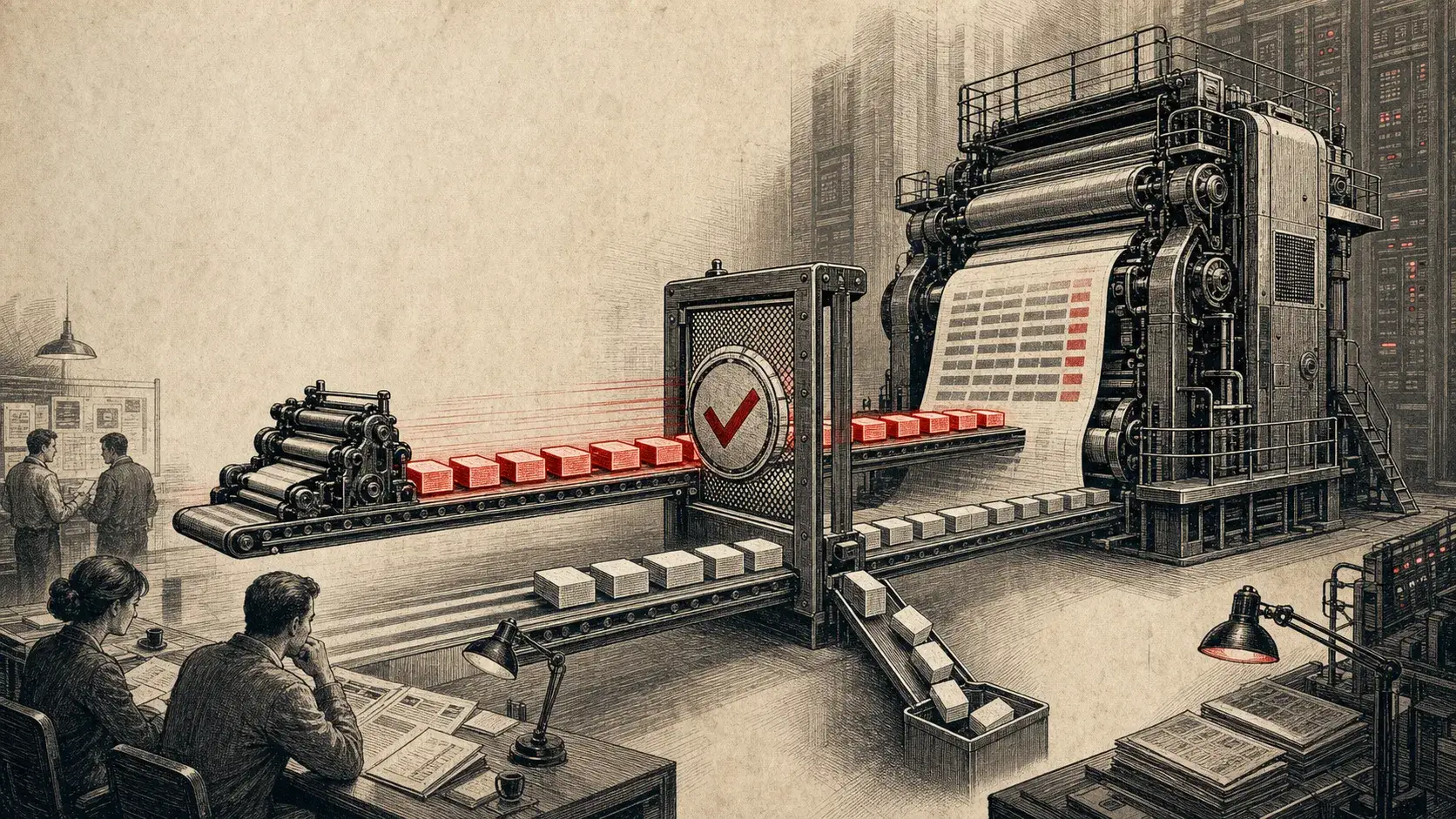
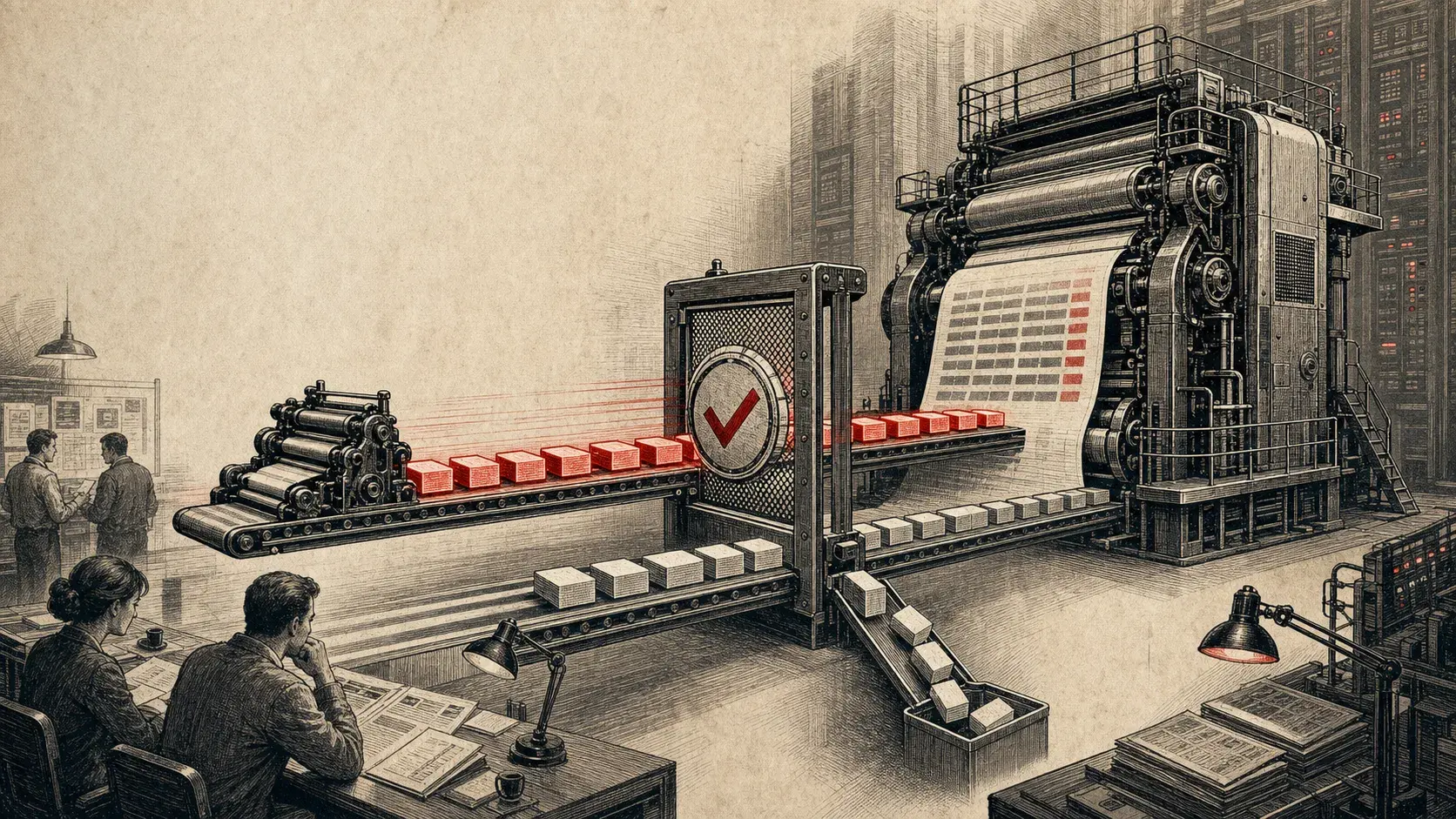
That is the hook inside DeepSpec. The name sounds like a formal-methods project, but the release is actually about speculative decoding: a cheap draft model proposes multiple future tokens, then the expensive target model verifies them in parallel. If the draft is good, the user gets a faster stream without changing the target model's output distribution.
That matters because the AI market is moving from "who has the smartest model" to "who can serve smart models cheaply, quickly, and under load." DeepSeek is not merely publishing a recipe. It is exposing the training loop, evaluation harness, and checkpoints behind the small models that make large models feel faster.
While competitors obsess over parameter counts and leaderboard screenshots, DeepSeek is attacking the cost stack underneath every chat box, coding agent, and long-running workflow. NVIDIA sells the accelerators, TSMC manufactures the frontier silicon, ASML controls the lithography chokepoint, Broadcom wires the clusters, AMD and Intel fight for alternative compute, Microsoft rents the cloud, and Huawei pushes the sovereign-stack pressure from the other side. DeepSpec sits directly in that market argument. Let's be clear: the inference layer is becoming a strategic moat.
Why This Matters Now
DeepSeek's V4 model cards say the DSpark variants are not new base models. They are the same checkpoints with speculative decoding modules attached[5]. That distinction is the point. In a world where frontier models are expensive to train and expensive to serve, the next commercial edge may come from making every generated token cheaper.
The Real Story: Inference Is the New Price War
The conventional read is that DeepSpec is a research repo. Useful, technical, probably niche. That misses the strategy.
The real story isn't that DeepSeek open-sourced another codebase. The real story is that it open-sourced a production-shaped layer for lowering serving cost. DeepSpec includes data preparation utilities, draft-model implementations, training scripts, evaluation scripts, and released checkpoints across DSpark, DFlash, and Eagle3 for Qwen3 and Gemma targets[2].
That means this is not simply a PDF plus a toy example. It is a factory. Feed it prompts, regenerate answers with the target model, build the target cache, train a draft model, and evaluate accepted length on math, code, and chat benchmarks.
DeepSpec By The Numbers
The release is small enough to clone, but large enough to reveal a real serving strategy.
Reported by the GitHub API on July 1, 2026
A strong signal for an infrastructure repo less than a week old
The code is permissively licensed, with third-party notices included
DSpark, DFlash, and Eagle3 across four target-model families
Approximate target-cache footprint for the default Qwen3-4B setup
Reported speedup range at matched aggregate throughput
Note: Repo metrics are time-sensitive and reflect the July 1, 2026 GitHub API snapshot.
Speculative decoding is not new. The original idea is elegant: use a lightweight draft model to propose future tokens, then let the target model verify the proposed block in a single pass, preserving the target distribution when the acceptance rule is applied correctly[11]. What is changing now is not the concept. It is the industrialization.
DeepSpec moves speculative decoding from "paper trick" toward "operator stack." That is a more dangerous kind of release because it attacks the bill of materials of AI products.
The Architecture: Cheap Proposal, Expensive Verification
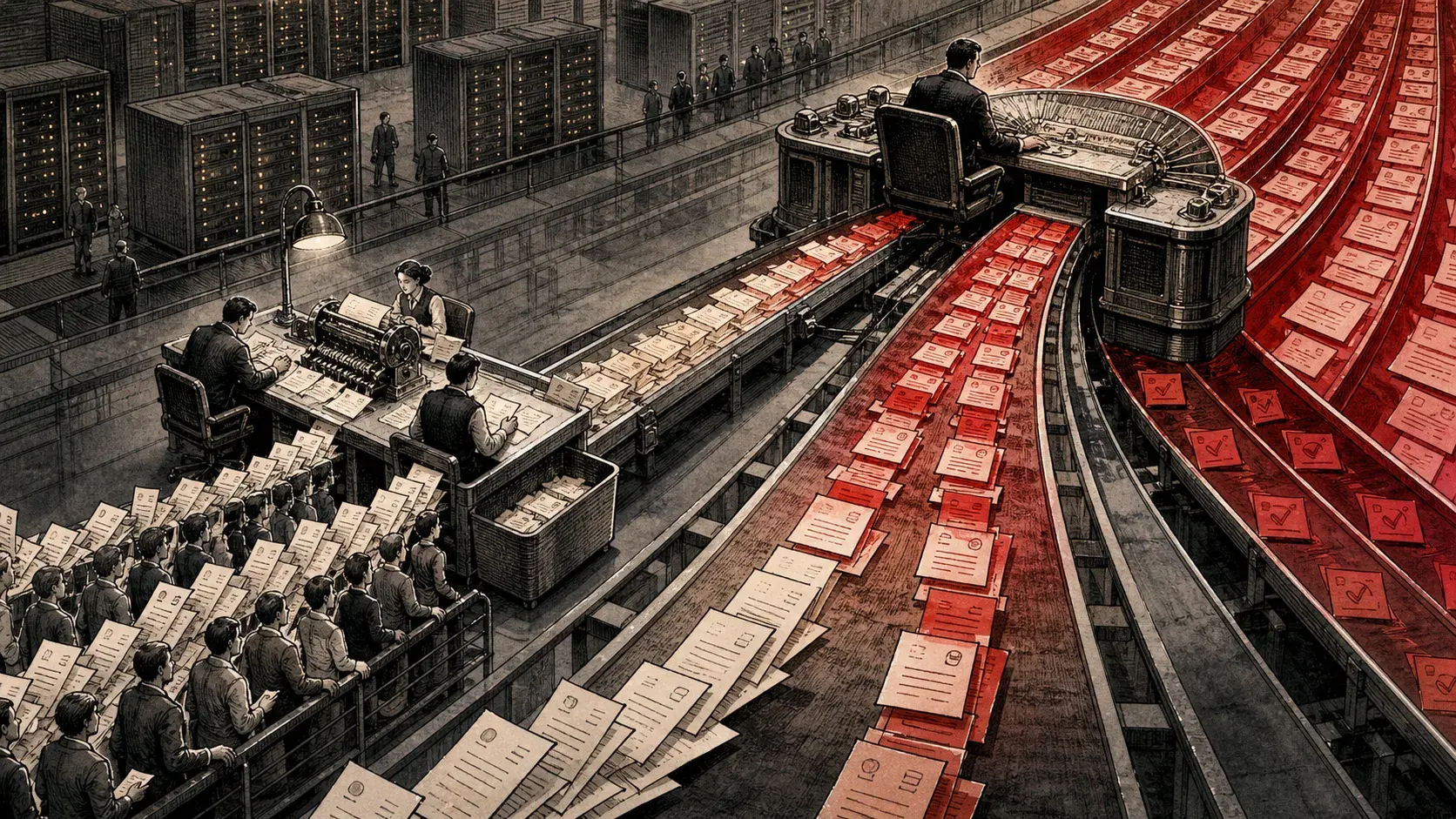
Speculative decoding works because the target model does not need to generate one token at a time if a smaller model can guess a short continuation. The draft model proposes. The target model verifies. Accepted prefix tokens move forward. Rejected suffix tokens get discarded.
Here's the genius: the target model remains the authority. The draft model is not trusted to be correct. It is trusted to be cheap.
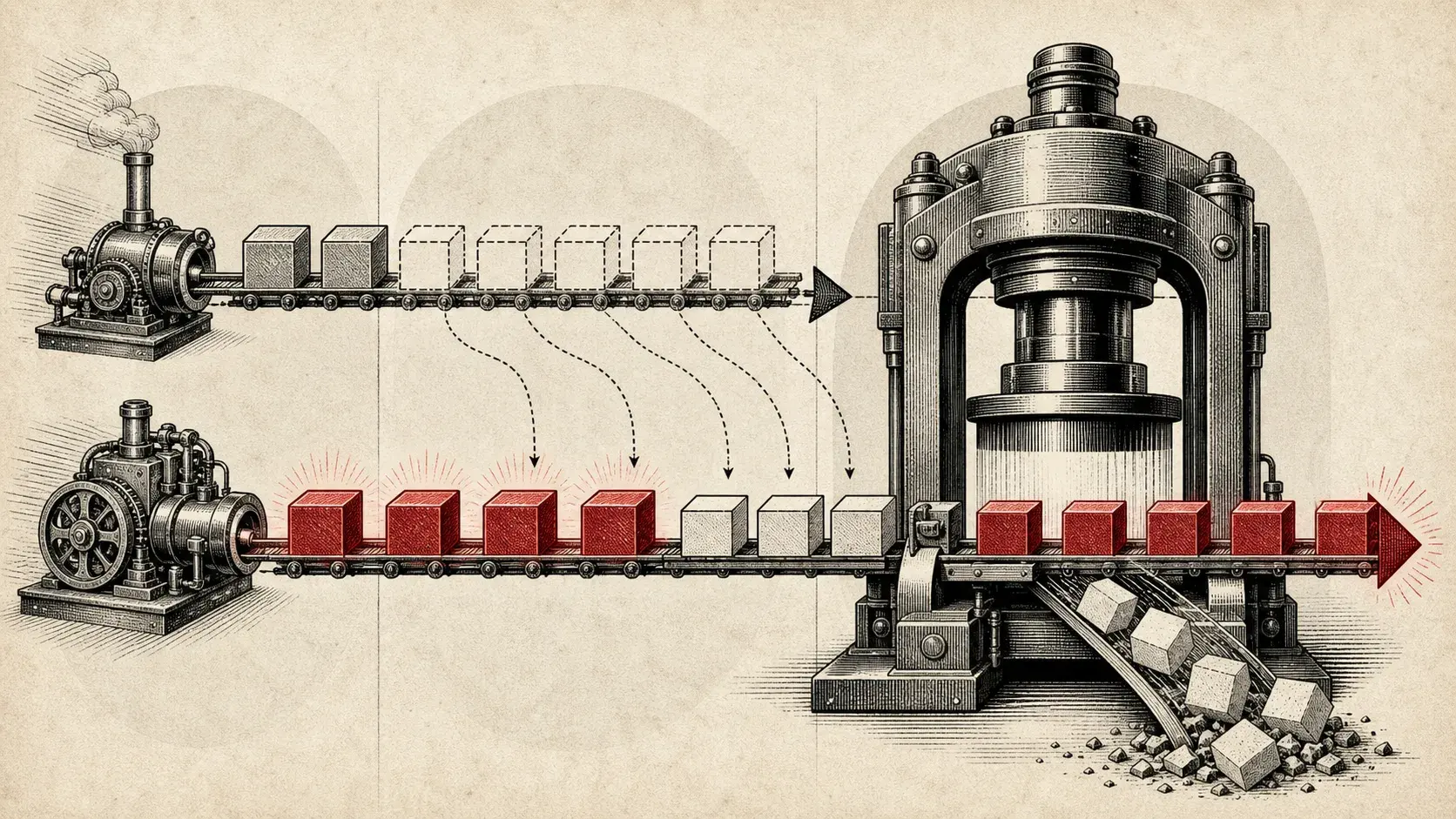
DeepSpec's workflow makes that division explicit.
How DeepSpec Turns a Target Model Into a Draft Factory
The repo is organized around a practical training loop, not a single benchmark script.
Download And Split Prompts
The default pipeline starts from Open-PerfectBlend prompts, then splits held-out user turns into evaluation datasets.
Regenerate Target Answers
The target model answers the prompts through an OpenAI-compatible serving engine such as SGLang, vLLM, or TGI.
Build The Target Cache
DeepSpec precomputes hidden states so training can read target features without repeatedly running the large model.
Train The Draft Model
The draft model learns to match target distributions and predict which proposed tokens are likely to survive verification.
Measure Accepted Length
Evaluation reports how many tokens survive each speculative decoding round across math, code, and chat tasks.
What's often overlooked is that accepted length is the real KPI. A draft model that proposes seven tokens but gets rejected after one has not saved the system much. It may have wasted batch capacity. A draft model that proposes fewer tokens with higher survival can win under load.
That is why DSpark adds confidence-scheduled verification. It does not blindly verify every token. It estimates prefix survival probabilities and uses the serving engine's throughput profile to decide how long a prefix is worth checking[3].
The DeepSpec Stack
DeepSpec is valuable because it packages the whole loop, from target traces to draft checkpoints.
Data Preparation
Download prompts, regenerate target answers, and prepare target caches before draft training begins.
Draft Algorithms
The repo supports three different speculative decoding draft families rather than betting on one recipe.
Target Families
Released configurations cover Qwen3-4B, Qwen3-8B, Qwen3-14B, and Gemma 4 12B instruction targets.
Evaluation Harness
The evaluation suite measures acceptance on math, code, and daily chat, which is closer to serving reality than a single task.
The Constraint: Open Source Does Not Mean Cheap
The uncomfortable truth is that DeepSpec is open, but the default pipeline is not light. The README for data preparation warns that the target cache can be very large, roughly 38 TB for the default Qwen/Qwen3-4B setup[4].
That number is not trivia. It tells you what is really being open-sourced.
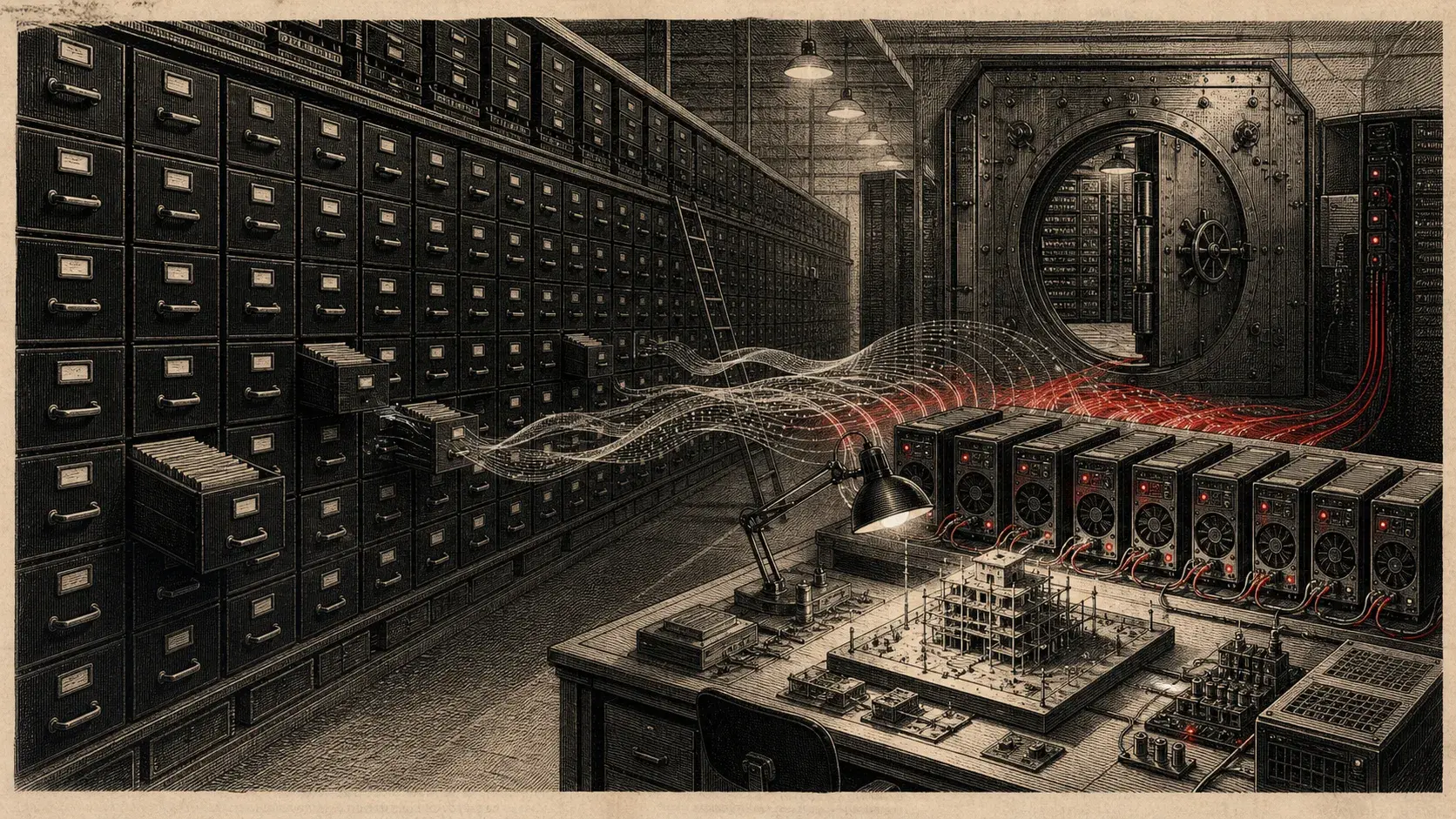
DeepSpec's Qwen3-4B example stores per-token hidden states for the full training set. The code is permissive, but the training artifact is infrastructure-heavy.
The storage warning exposes a deeper point. The repo may be free, but the advantage comes from running a disciplined pipeline at scale: serving target models, caching hidden states, training draft models, calibrating confidence, and validating acceptance under diverse workloads.
This is where DeepSeek's move becomes strategically sharp. By releasing the machinery, it lets the community improve the method while still reminding everyone that serious inference optimization is operational work. You can clone the repo in seconds. Reproducing the whole training path is a different conversation.
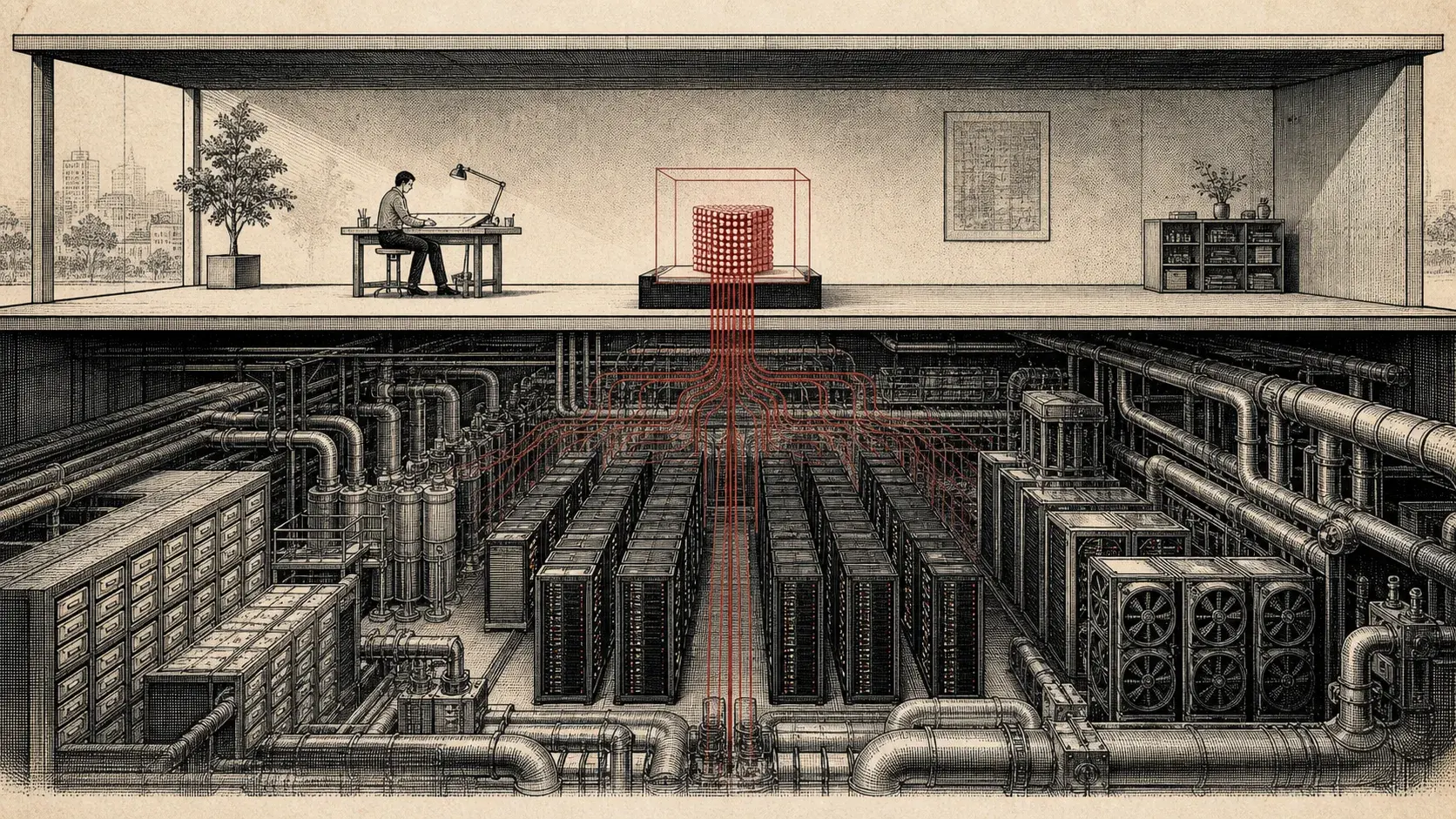
The Benchmark Story: DSpark Attacks Suffix Decay
DSpark's technical argument is straightforward: parallel draft models are fast, but they can suffer suffix decay. They propose long blocks in one forward pass, but later positions become less reliable because they do not fully condition on earlier sampled draft tokens.
DeepSeek's answer is semi-autoregressive generation. DSpark keeps a parallel backbone for throughput, then adds a lightweight sequential component to model local token dependencies inside the block. It also adds a confidence head for scheduled verification[3].
The reported result is not "the model is smarter." It is "the draft survives longer."
Accepted Length On Qwen3-4B
| Feature | Eagle3 | DFlash | DSpark |
|---|---|---|---|
| GSM8K | 5.14 | 5.40 | 6.11 |
| MATH | 4.62 | 4.85 | 5.70 |
| AIME25 | 3.92 | 4.15 | 4.89 |
| MBPP | 3.69 | 4.40 | 5.13 |
| HumanEval | 4.16 | 4.74 | 5.38 |
| LiveCodeBench | 3.77 | 4.18 | 4.86 |
| MT-Bench | 2.39 | 3.07 | 3.64 |
| Arena-Hard | 2.55 | 2.83 | 3.29 |
Across Qwen3-4B, Qwen3-8B, and Qwen3-14B targets, DeepSeek reports macro-average accepted-length gains for DSpark over Eagle3 of 30.9%, 26.7%, and 30.0%. Against DFlash, DSpark improves by 16.3%, 18.4%, and 18.3% across those same sizes[3].

The DSpark paper also claims production speedups inside DeepSeek-V4 serving. In live traffic, it reports 60% to 85% faster per-user generation for V4-Flash and 57% to 78% for V4-Pro at matched aggregate throughput[3].
That is the number that should make every inference platform pay attention.
The most important token in the next AI cycle may be the one the big model never had to generate sequentially.
The Competitive Angle: This Is a Toolkit, Not a Trophy
DeepSpec's release is more interesting because it includes more than DSpark. The README lists Eagle3, DFlash, and DSpark checkpoints across four targets: Qwen3-4B, Qwen3-8B, Qwen3-14B, and Gemma 4 12B instruction[2].
That is 12 checkpoint slots. The comparative packaging matters.
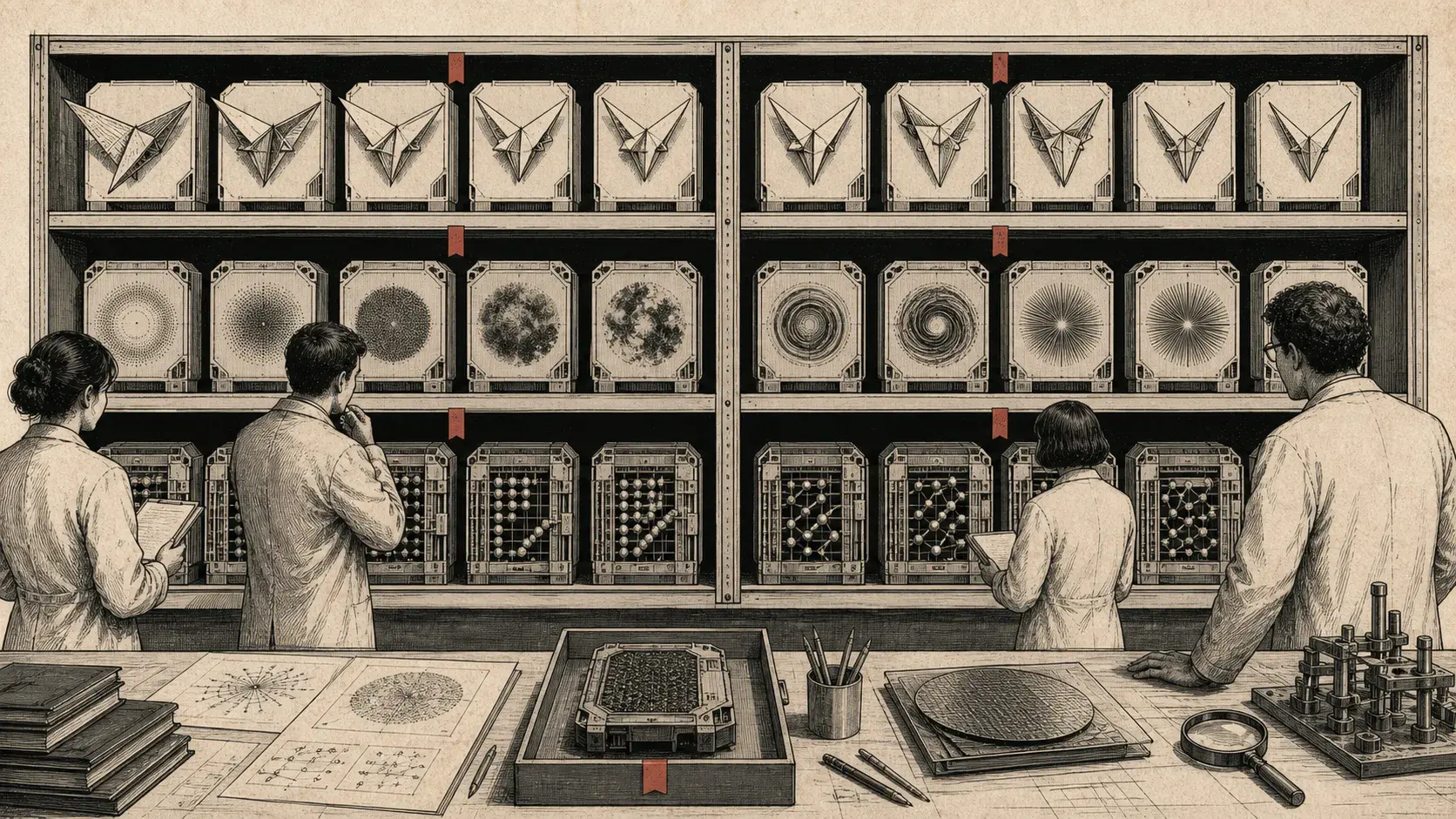
Eagle3 represents feature-based autoregressive drafting. DFlash represents block-parallel drafting. DSpark tries to take the best of both worlds: parallel capacity at early positions, lightweight dependency modeling later, and verification scheduling based on confidence and system load[8][9][3].
The competitive implication is uncomfortable for closed inference providers. If open tooling keeps improving the speed layer around existing models, expensive proprietary serving margins get squeezed from below. A model provider may still have better weights. But if open stacks make "good enough" models faster and cheaper, procurement starts asking sharper questions.
What Each Layer Optimizes
| Feature | Base Model | Draft Model | Scheduler |
|---|---|---|---|
| Strategic goal | Capability | Token proposal efficiency | Throughput under load |
| Cost center | Training and serving | Target-cache training | Batch capacity allocation |
| Failure mode | Wrong answer | Low acceptance | Verification waste |
| Business value | Model quality | Lower perceived latency | More users per GPU |
Here's the genius of releasing this as a toolkit: DeepSeek can frame the conversation around systems. The story is no longer "our model is better than yours." It becomes "our stack makes models serve better."
The Business Impact: More Users Per GPU
AI economics are not only about dollars per million tokens. They are about latency under concurrency. An agent that takes 90 seconds to finish a multi-step task may be technically capable but commercially awkward. A chat model that streams slowly feels worse than its benchmark score. A coding assistant that pauses between every block loses user trust.
Speculative decoding attacks that user-perceived speed problem directly.
Who DeepSpec Pressures
The immediate audience is not only researchers. It is every team paying for model serving.
Cloud inference platforms
If draft models improve, platforms need to compete on scheduling, caching, and throughput orchestration, not just model menus.
Open-weight model deployers
DeepSpec gives self-hosters a route to production-style speedups if they can absorb the storage and training burden.
Enterprise AI buyers
Procurement can ask whether a vendor's quoted price reflects model quality or inefficient generation.
Frontier labs
The weight race now has an infrastructure flank. Serving tricks can compound into product advantage.
The uncomfortable truth is that "better model" is becoming too blunt a category. A model can be better, but slower. Cheaper, but unstable. Capable, but expensive under load. DeepSpec is about one of those hidden axes that users feel before they understand it.
The Release Pattern: From Research To Runnable Stack
DeepSeek is not alone in this direction. SpecForge, from the SGLang ecosystem, also frames speculative decoding as a trainable infrastructure layer that can plug into serving systems[7]. DFlash and Eagle3 were already part of the broader speculative decoding toolkit[8][9].
DeepSpec's distinction is the DeepSeek production context. The DSpark paper explicitly ties the method to DeepSeek-V4 serving under live traffic, not only offline tests[3]. The Hugging Face V4 DSpark cards reinforce that this is an attachment to existing V4 checkpoints, not a new base-model release[5].

Speculative Decoding Becomes Infrastructure
The path from elegant idea to production-shaped release.
| Date | Milestone | Significance |
|---|---|---|
| 2023 | Draft-and-verify generation is shown as a way to accelerate LLM inference while preserving target distribution. | |
| 2025 | Feature-based autoregressive drafting matures as an open speculative decoding direction. | |
| 2026 | Block-parallel drafting pushes long candidate blocks with one forward pass. | |
| Jun 2026 | DeepSeek releases a full training and evaluation stack for DSpark, DFlash, and Eagle3. |
This is the part that matters for the industry: once infrastructure gets open-sourced, it stops being magic. It becomes a benchmark for everyone else.
The Caveat: Accepted Length Is Not User Value By Itself
Accepted length is a powerful metric, but it is not the whole product. A speculative decoding system must still deal with memory pressure, scheduler complexity, target-cache costs, task-specific acceptance rates, and integration with real serving engines.
The DSpark paper itself makes the scheduling problem central. Under light load, verifying extra tokens can be cheap. Under high concurrency, low-confidence suffix tokens can occupy batch capacity that should have served other users[3]. That is exactly why a static verification length is not enough.
The Key Risk
DeepSpec is an open stack, not a free speedup button. The default Qwen3-4B cache warning is roughly 38 TB, the scripts assume a single node with 8 GPUs, and real gains depend on target model, traffic shape, engine integration, and domain acceptance rates[4]. Teams that treat speculative decoding as a plug-in will miss the systems work that makes it pay off.
Let's be clear: DeepSpec does not make inference optimization easy. It makes the battlefield legible.
What To Watch Next
Whether DeepSpec checkpoints get integrated into mainstream serving stacks beyond DeepSeek's own ecosystem.
Whether accepted-length gains translate into lower hosted API prices, not just faster demos.
Whether open-weight deployers can afford the target-cache and training infrastructure needed for domain-specific drafters.
Whether competitors answer with model releases or with their own inference-stack disclosures.
The Bottom Line: The Moat Moves Downstack
DeepSpec is not a glamorous release in the usual AI-news sense. It does not announce a new trillion-parameter frontier model. It does not promise a new reasoning mode. It does not come wrapped in a consumer product launch.
That is precisely why it matters.
DeepSeek is showing that the next stage of AI competition is not only about model capability. It is about the machinery that turns capability into cheap, responsive, high-concurrency service. Speculative decoding is one lever in that machinery. DeepSpec makes the lever public.
The real story isn't that draft models can make target models faster. The real story is that inference itself is becoming an open-source systems war. The labs that win will not just train intelligence. They will industrialize the cost of delivering it.
Sources & References
Primary sources and references used in this article
| # | Source | Outlet | Date | Key Takeaway |
|---|---|---|---|---|
| 1 | GitHub DeepSeek-AI | 26 Jun 2026 | MIT-licensed full-stack codebase for training and evaluating speculative-decoding draft models; GitHub API showed 5,547 stars and 442 forks on July 1, 2026. | |
| 2 | GitHub DeepSeek-AI | Jun 2026 | Documents the workflow, released checkpoints, supported algorithms, and target-model matrix. | |
| 3 | DeepSeek Paper DeepSeek-AI and Peking University authors | Jun 2026 | Reports accepted-length gains and 60% to 85% V4-Flash production speedups at matched throughput. | |
| 4 | GitHub DeepSeek-AI | Jun 2026 | Explains the target regeneration and cache pipeline, including the roughly 38 TB default Qwen3-4B cache warning. | |
| 5 | Hugging Face DeepSeek-AI | Jun 2026 | States that the DSpark variant is the same V4 checkpoint with an added speculative decoding module, not a new base model. | |
| 6 | Hugging Face mlabonne | 2024 | Open instruction dataset used by the DeepSpec pipeline; Hugging Face metadata lists 1,420,909 training examples. | |
| 7 | GitHub SGLang Project | 2025-2026 | Adjacent open ecosystem for training speculative decoding models and integrating them with SGLang serving. | |
| 8 | arXiv DFlash authors | 2026 | Block-parallel speculative decoding baseline included in DeepSpec's supported algorithms. | |
| 9 | arXiv EAGLE-3 authors | 2025 | Feature-based autoregressive draft-model family included in DeepSpec's comparative toolkit. | |
| 10 | arXiv DeepSeek-AI | Jun 2026 | Provides context for DeepSeek-V4 model families and the serving environment around DSpark variants. | |
| 11 | arXiv Yaniv Leviathan, Matan Kalman, Yossi Matias | 2023 | Foundational speculative decoding paper explaining draft generation and target verification. | |
| 12 | GitHub SGLang Project | 2024-2026 | DeepSpec's data-preparation docs cite OpenAI-compatible inference engines such as SGLang for target-answer regeneration. | |
| 13 | Yahoo Finance Yahoo Finance | 1 Jul 2026 | Reference source for the article-date stock marks used in the public market ledger. |
Last updated: July 1, 2026