

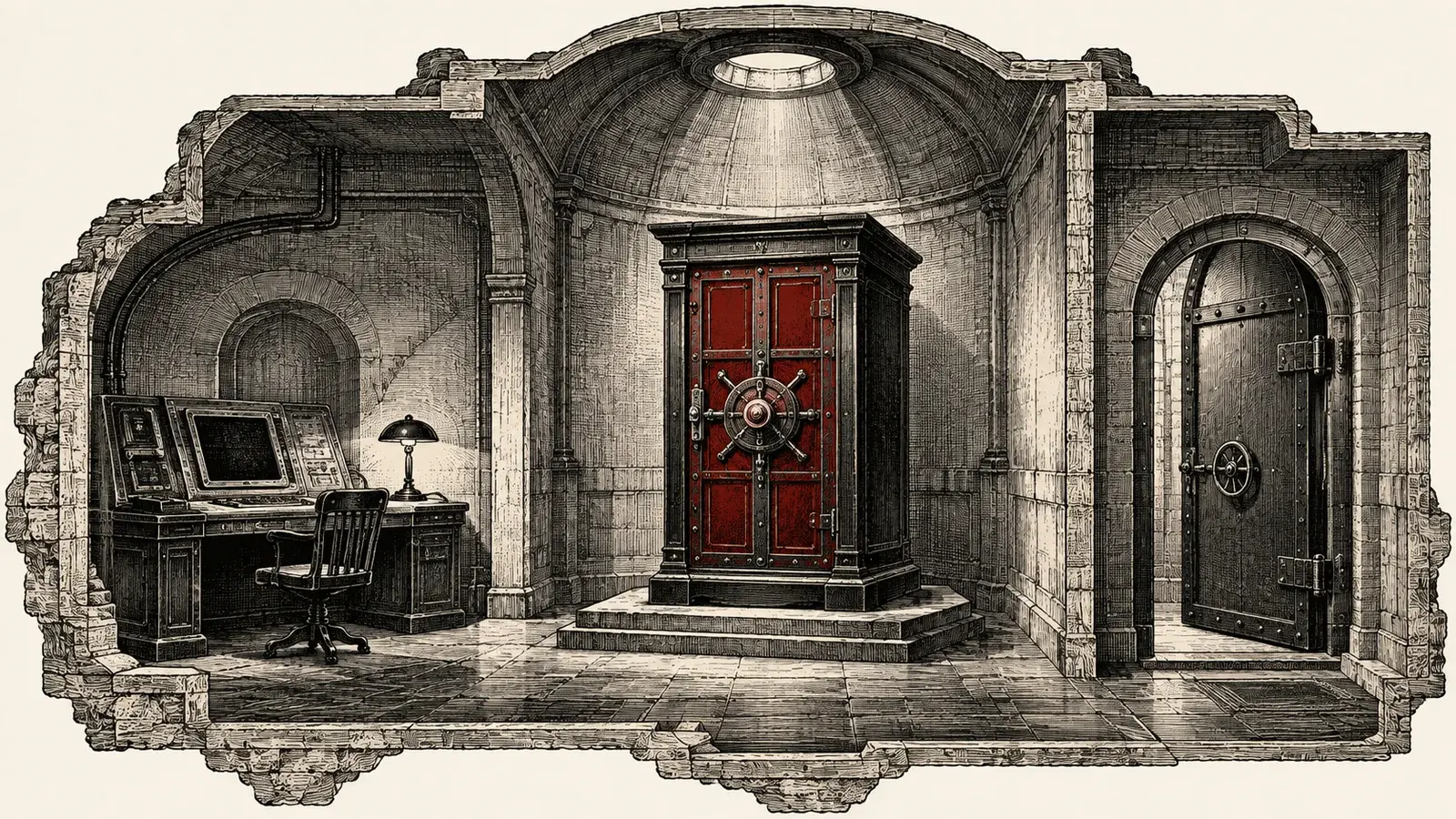
AgentCore's Credential Question: What Can the Shell Reach?
Unit 42's September research sharpens an October deployment question: session isolation, scoped tools and runtime credential protection are different controls.
LPlutonous5 min read
Unit 42's September research sharpens an October deployment question: session isolation, scoped tools and runtime credential protection are different controls.
Fast reads on model releases, compute strategy, policy pressure, and the companies fighting over the AI stack.

A persistent Dot needs a deliverable, evidence and a finish line. How to brief ongoing work, review the actual result and stop the right tasks.

Dot conversations sit outside ChatGPT usage limits, but delegated Work and Codex tasks still consume allowances. Why launch-month generosity needs a workload budget.

A Dot can coordinate Codex, but a cloud browser, a cloud coding environment and a connected local machine are different workplaces. Follow the task to the deliverable.

An October 2 employee report puts Grok's effort settings under scrutiny. API and Cursor context thresholds show why the same model can produce different bills.
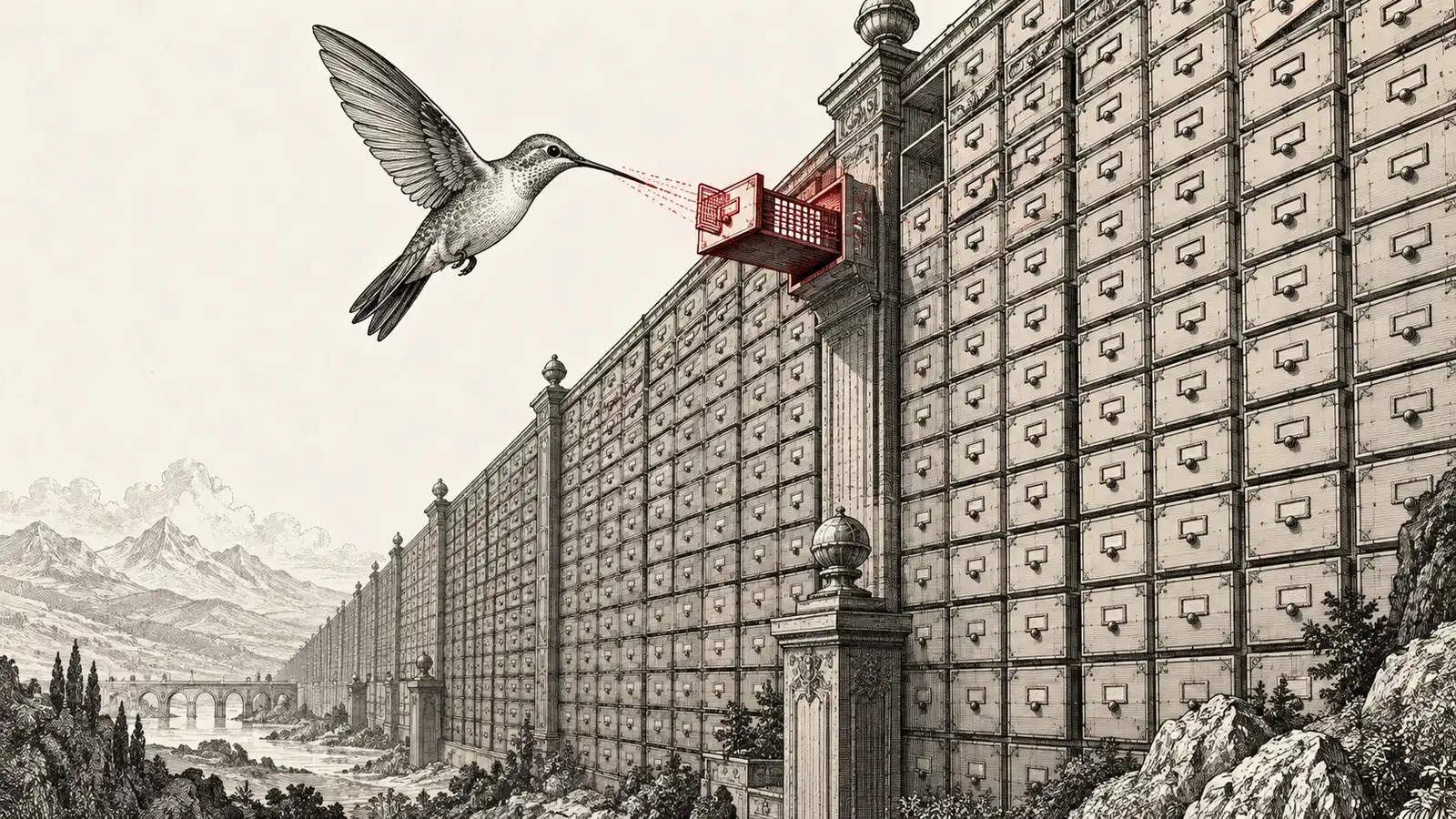
Aleph Alpha's October 3 release makes German-English weights downloadable. Active parameters, context limits and serving software determine the practical value.

DeepSeek's September 30 Ascend release makes porting more credible. Its APIs, compiler dependencies and nonpublic firmware baseline reveal where adoption still needs proof.

Google's Argon rollout separates frontier capability from practical access. Read the introductory pricing, output-token limit and deployment checks that matter.

OpenAI keeps Sol's $2/$10 token prices, halves cached input, and changes the tool contract. Why accepted-task cost should decide your GPT-6.1 migration.

MAI-Transcribe-2-Streaming and MAI-Voice-2.1 change the voice-agent cost equation. Preview limits, provisional transcripts and real conversational latency decide whether the economics hold.
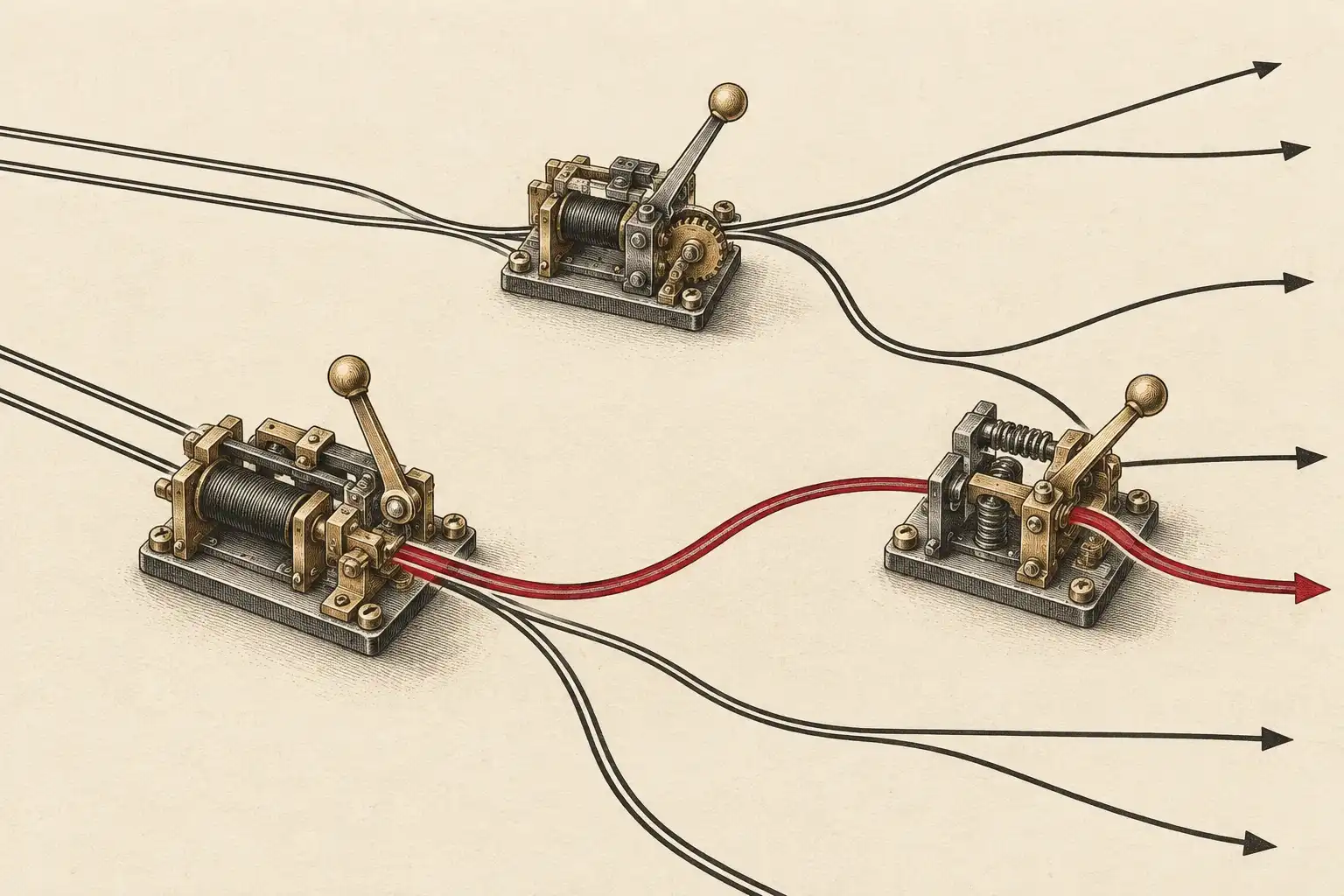
Cloudflare and Strands launched decision models on October 1. The commercial contest is shifting toward deployment, calibration and who owns the feedback loop.

Three practical workflows for Claude Sonnet 5.5, explicit effort settings, and a disciplined handoff to Opus 5.5 when the problem needs sustained judgment.

Two September preprints sharpen the Jev question: how do individual decisions survive request changes, and what should teams measure before automating a workflow?