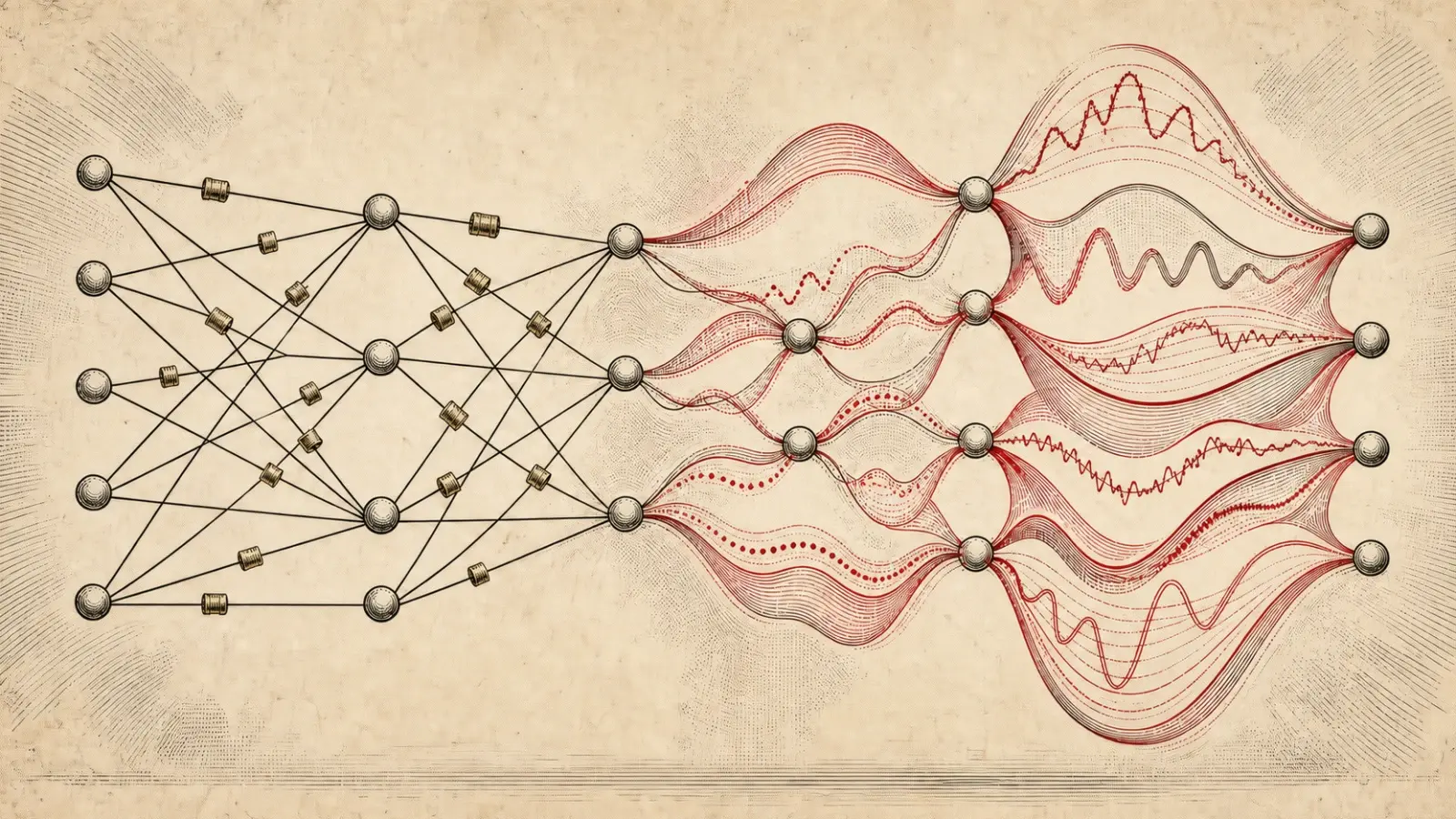
How KANs Work: Why Learnable Edges Survived the MLP-Killer Hype
Kolmogorov-Arnold Networks replace scalar weights with learned functions. Two years of evidence show where KANs work, where they fail, and why the idea survived.
LLM Rumors reference desk
The durable ideas behind the daily model cycle. These explainers are built to stay useful after the headline fades, from transformer history to agent control loops and world models.

Kolmogorov-Arnold Networks replace scalar weights with learned functions. Two years of evidence show where KANs work, where they fail, and why the idea survived.

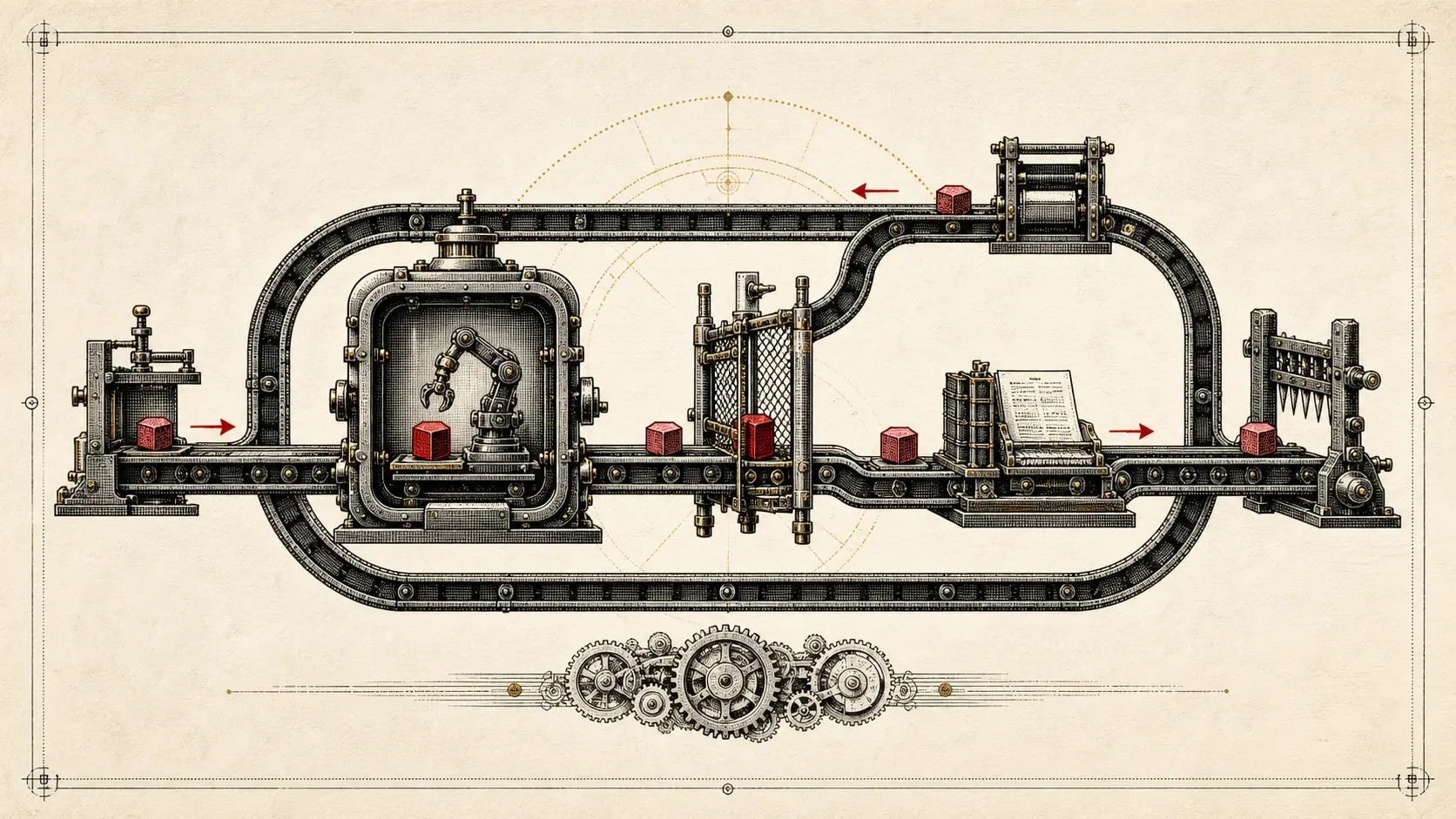
Loop Engineering turns the hidden management work around coding agents into software: triggers, scoped execution, independent verification, durable state, budgets, and explicit stop conditions.

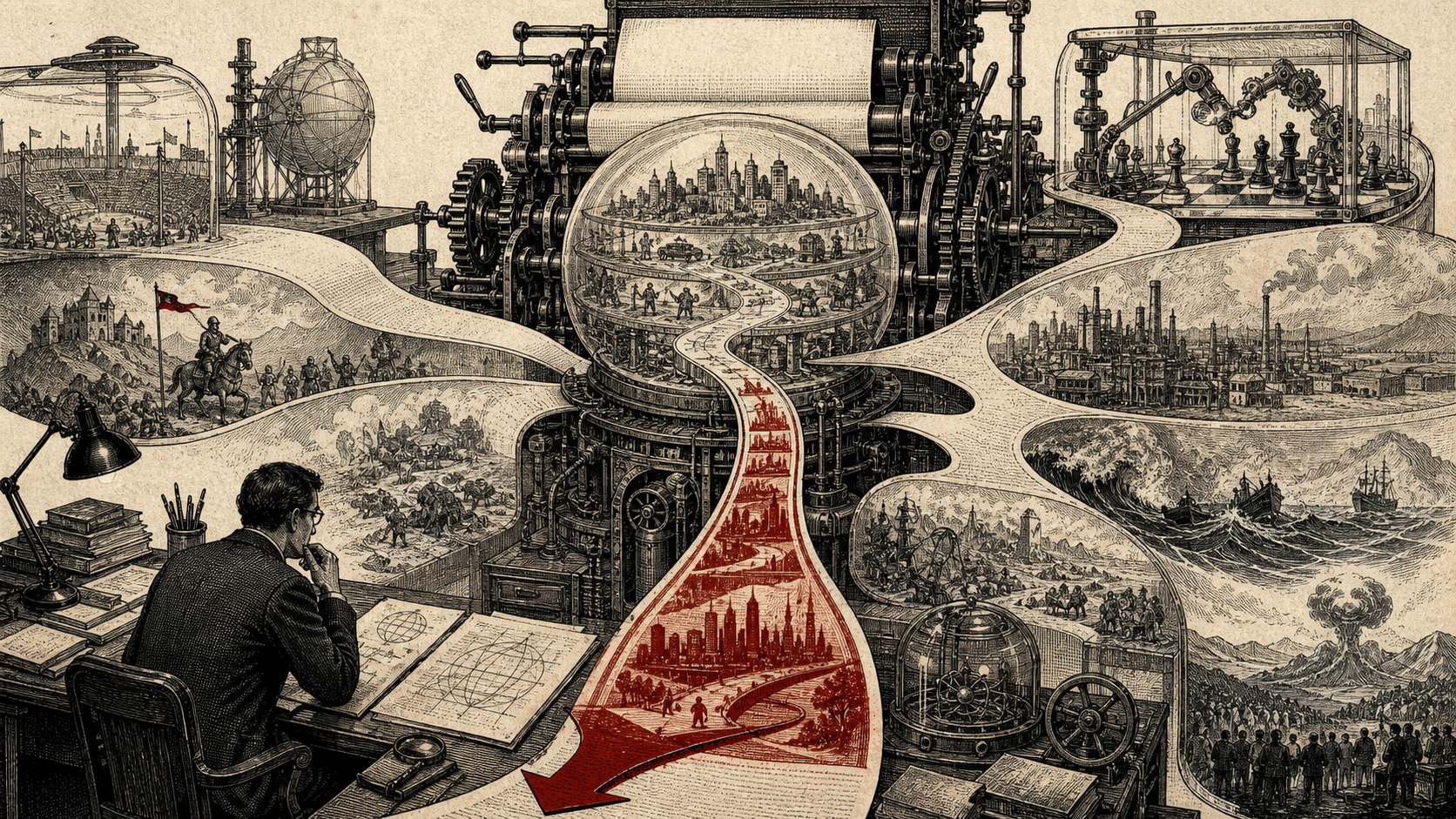
World models began as Schmidhuber's curiosity-driven controllers. Genie 3, DreamerV3, GAIA-1, GameNGen, V-JEPA, and open-ended play show why simulation is becoming AI's next platform layer.

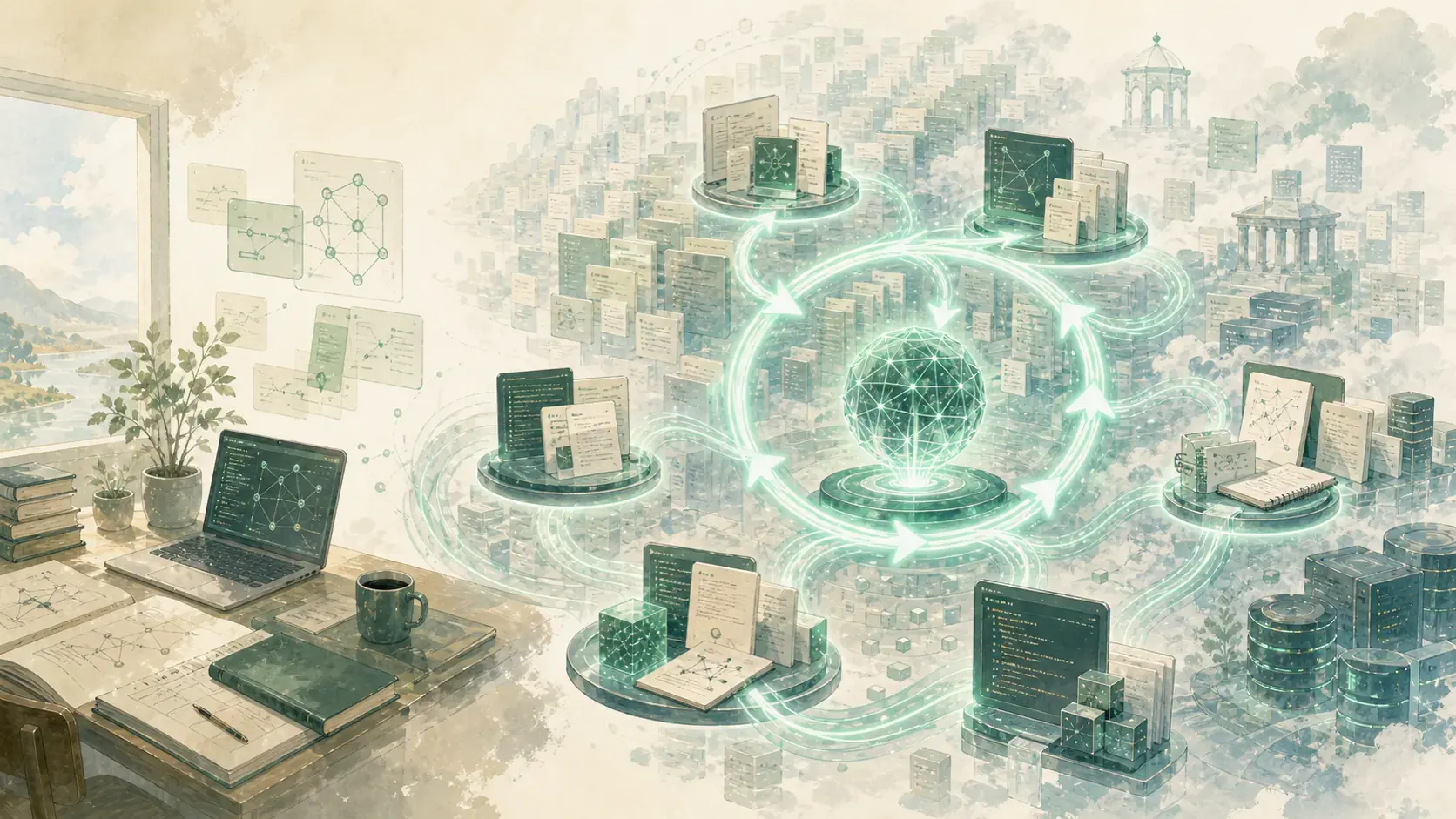
RLMs treat prompts as environments, not inputs. The MIT paper behind Recursive Language Models, the REPL execution loop, and why the AI industry is adopting it.

AI's growth is reshaping global utilities - 66B liters of annual water use, fusion-powered data centers, and companies still paying the carbon bill.

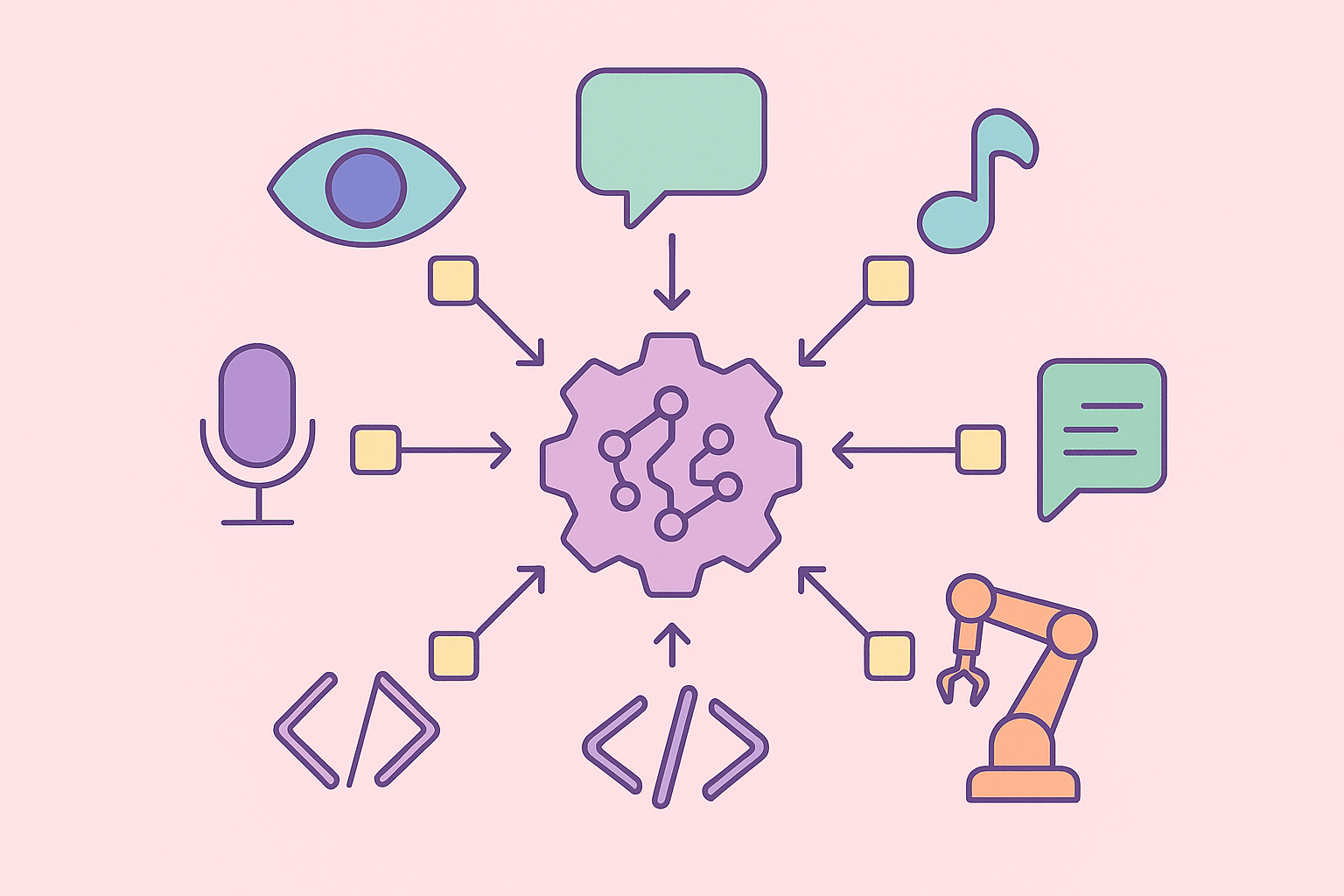
From McCulloch-Pitts' 1943 logical calculus to GPT-4: trace 82 years of neural architecture evolution and how foundational insights led to the transformer.